
Extrusion and CNC machining solve different problems in an aluminum heat sink. This guide compares tooling cost, fin limits, tolerances and lead times so you can choose the right process before you ask for a quotation.
An aluminum heat sink can be made two ways: pushed through a die as a continuous profile, or cut from solid metal on a machining center. Both end up as aluminium with fins. They behave very differently on the quotation, on the drawing and on your assembly line.
This guide is a procurement decision, not a physics lesson. If you want the thermal-resistance maths and fin geometry rules, our heat sink design guide covers that. Here we answer one question: given your part, your volume and your deadline, which process should you specify?
If you would rather watch than read: choosing the right process for an aluminum heat sink — a short walkthrough from our shop floor.
The decision in one table
Buyers often ask which process is "better" for an aluminum heat sink. Neither is. The right choice depends on four variables: fin geometry, annual volume, tooling budget and what the part has to bolt onto. Start here:
| Your situation | First choice | Why |
|---|---|---|
| Straight or tapered fins, 300+ pieces a year | Extrusion | The die is paid once and spread across the run; no per-piece cutting time |
| High fin count with narrow gaps, or 10–50 prototypes | CNC machining | No die to cut; a design change is a new drawing, not a new tool |
| Base with pockets, screw bosses, O-ring grooves or a sealed face | CNC, or extrusion + CNC | Extrusion cannot produce features that run across the profile |
| A long one-piece heat sink (1.5–2 m or more) | Extrusion | Machining that length wastes material and machine hours |
| Heat sink integrated into an enclosure wall | Hybrid | Extrude the fin field, machine the mounting and sealing faces |
How each process actually makes the part
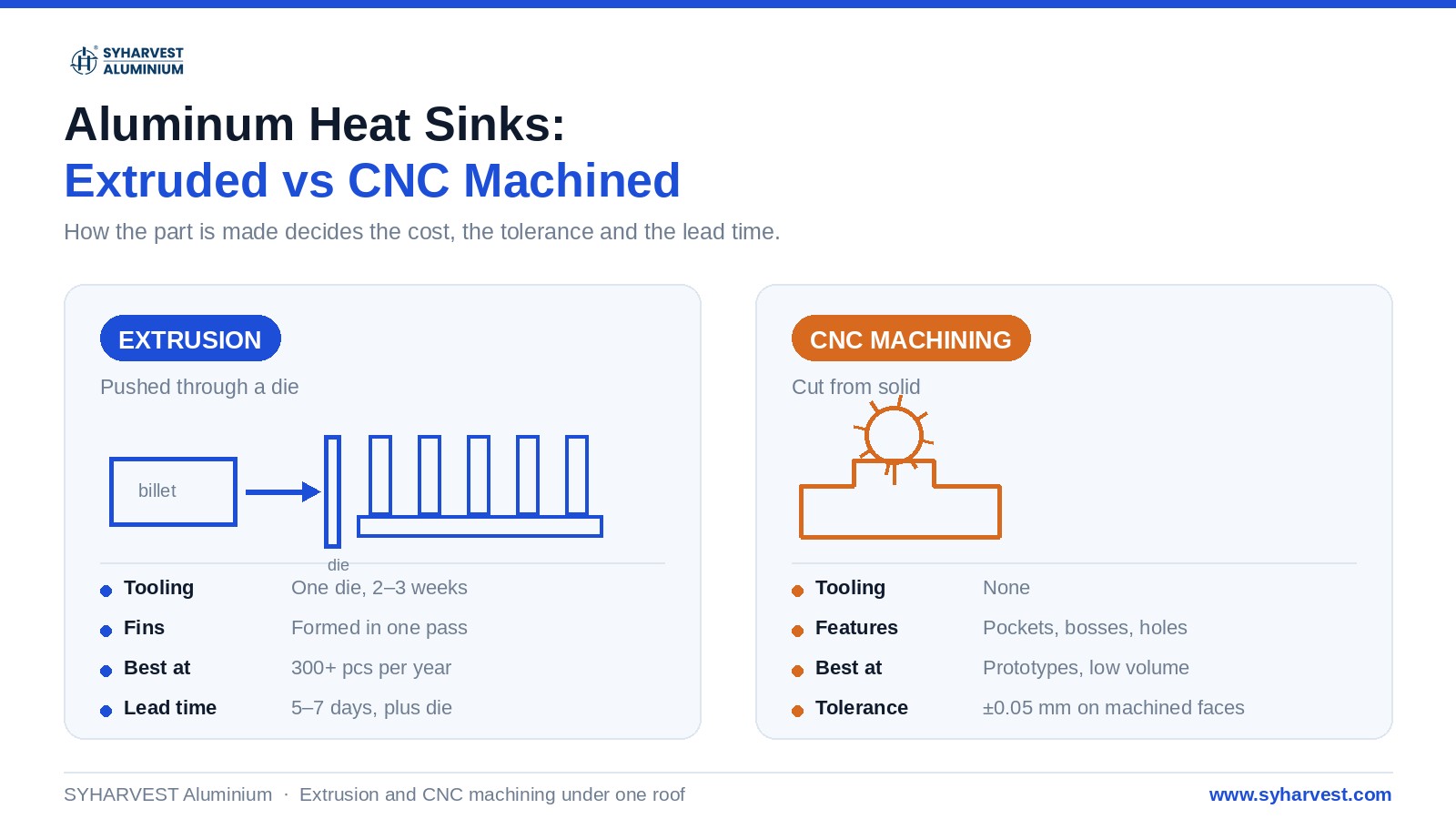
Extrusion. A billet of aluminum is heated to roughly 450–500 °C and pushed through a hardened steel die on a hydraulic press. What comes out has a constant cross-section for the entire length: the fin field is formed in one pass and every metre of the run is identical.
CNC machining. The part is cut from a solid billet or from an extruded blank. Material is removed by milling, drilling, turning and tapping, so features can sit anywhere in three dimensions.
That structural difference explains most of the argument. Extrusion gives you a 2D cross-section repeated along the length; machining gives you 3D features anywhere on the part. Once the requirement is written in those terms, the process usually chooses itself.
Where extrusion wins
Unit cost at volume. A die is a one-time investment. After that, the press produces finished fin geometry at a cost per kilogram that no machining center can match. Above a few hundred pieces, extrusion almost always wins on price.
Length. Heat sinks are often long. Extruding a 2 m profile in one piece is routine; machining it is not.
Thermal conductivity. The 6xxx family is the standard choice for heat sinks, and 6063 in the T5 or T6 temper gives roughly 200–218 W/m·K, which is why it dominates the market.
Finish integration. Anodizing and powder coating can be applied to the whole extrusion after cutting, including the fin surfaces, with no masking of machined features.
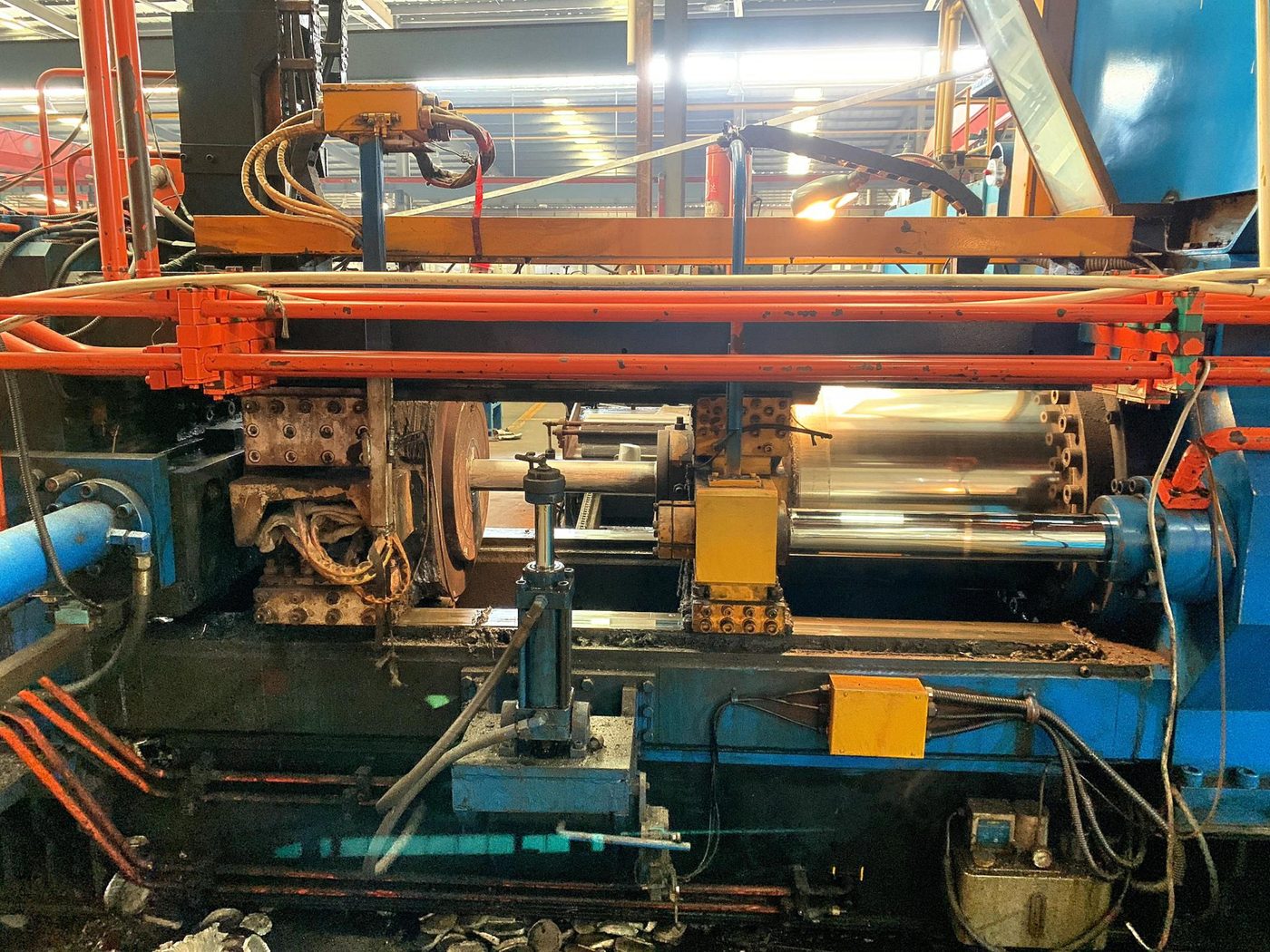
Typical parts we run: extrusion aluminum heat sinks.
Where CNC machining wins
Prototypes and low volume. No tooling means the first article can be in your hands in days, and the second revision costs the same as the first.
Tolerance where it matters. Machined features routinely hold ±0.05 mm. That matters for a base that must sit flat against a die or an IGBT module, and for mounting holes that must line up with a PCB.
Features extrusion cannot make. Cross-drilled holes, tapped bosses, pockets for connectors, chamfers, and a base machined flat after extrusion all require a cutting tool.
High fin density in small quantities. Extrusion dies have practical limits on fin height-to-gap ratio and on wall thickness in the die; machining can produce geometries that a die cannot support economically.
If the part needs 3D features, that is work we do in house — see the aluminum CNC heat sink profile we machine for customers.
The hybrid route most projects end up using
In practice, a large share of aluminum heat sink projects are neither pure extrusion nor pure machining. The fin field is extruded, because that is the cheapest way to make a lot of surface area. Then the base is machined flat, holes are drilled and tapped, and pockets are cut for connectors or sensors.
The commercial logic is simple: you pay for a die once, buy the extrusion by the kilogram, and keep machining time to the few features that actually need it. On a 500-piece order this is usually cheaper than machining the whole part from solid, and far more accurate than extrusion alone.
One design detail decides whether the hybrid works: the machined features must be referenced to a datum on the extrusion, not to the die line. Put that datum on the drawing and the two processes fit together. Leave it off and you will spend the first article arguing about stack-up.
What each route costs you in time
Tooling and lead time are where buyers get surprised, so plan for both:
| Stage | Extrusion route | CNC route |
|---|---|---|
| Tooling | New die, typically 2–3 weeks | Fixture only, 1–3 days |
| First order | Die lead time + production | 5–7 days after drawing approval |
| Repeat order | 5–7 days, mill finish | 5–7 days |
| With anodizing or powder coating | About 12 days | About 12 days |
| With machining after extrusion | 15–18 days | Included |
At SYHARVEST, mill-finish extrusion is quoted at 5–7 days after drawing approval (assuming the die exists), about 12 days with anodizing or powder coating, and 15–18 days when machining is added. A new die is scheduled on top of that.
Four questions that settle the choice
- How many pieces per year, for how many years? Under about 200, the die rarely pays back. Over 500 a year for two years or more, it almost always does.
- What is the longest dimension? Anything beyond about 1.5 m pushes you toward extrusion.
- Which features run across the profile? If holes, pockets or bosses cross the extrusion direction, you need machining for those features whatever else you decide.
- What tolerance does the interface actually need? If the heat sink only needs to sit on a bracket, extrusion tolerance is enough. If it must clamp a module with a specified contact pressure, machine the base.
Quality checks on either route
For extrusion, inspect wall thickness, twist and bend, and dimensions against the drawing; if anodizing is specified, agree the coating class and thickness up front. For machining, ask for CMM reports on critical features and a surface roughness value where the interface matters.
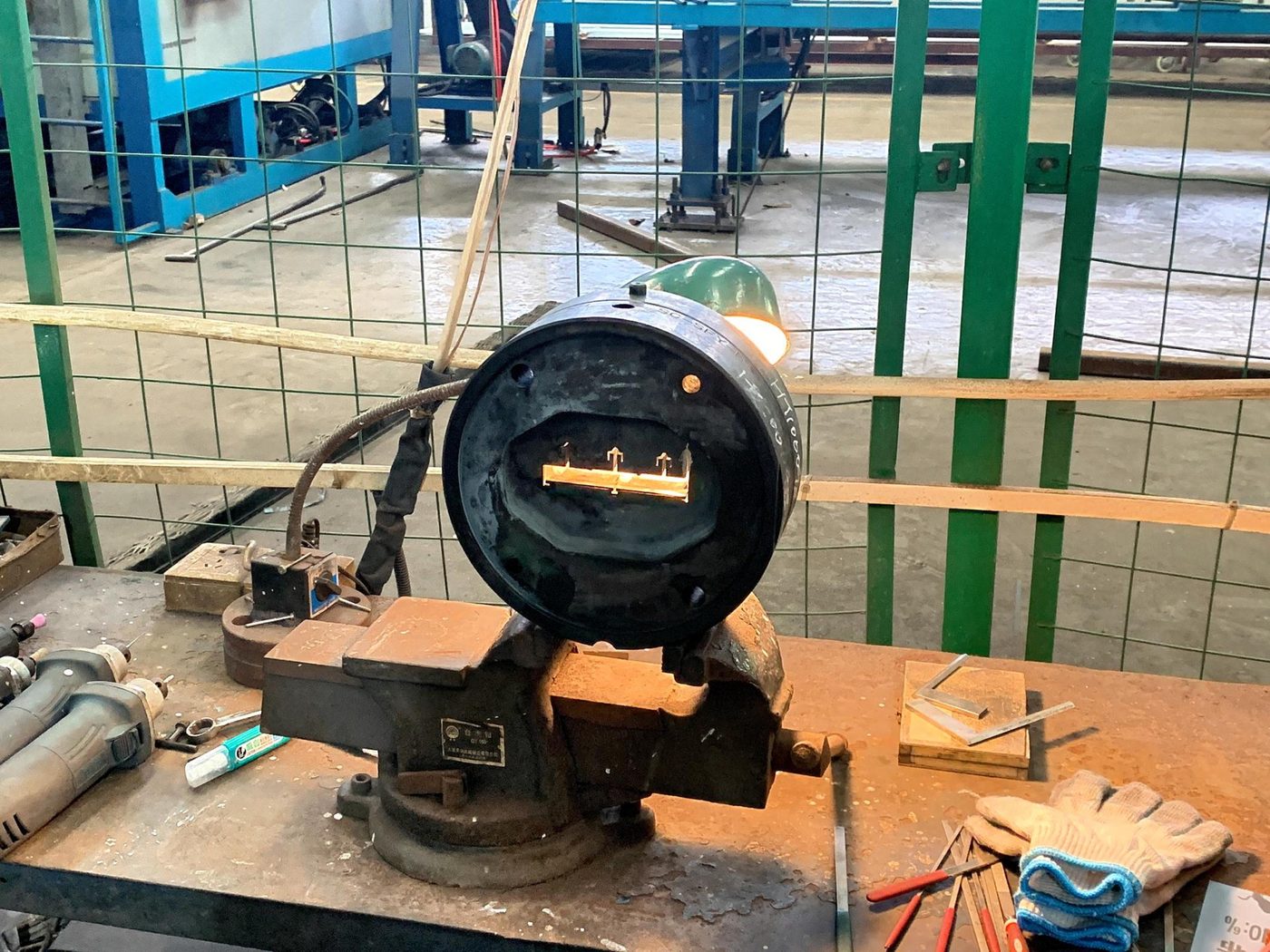
Our ISO 9001:2015 certificate (00225Q26954R2M) covers our extrusion and surface-treatment operations. CNC machining sits outside the certified scope, and we say so up front so you can plan your own incoming inspection with clear eyes rather than discovering it in an audit.
What to send for a useful answer
Send the drawing (STEP, DXF or a dimensioned PDF), the alloy if you have a preference, annual quantity, required finish, the tolerance on critical dimensions, and one line about the application — ambient temperature, airflow, and what the sink is mounted to.
If you are not sure which route fits for your aluminum heat sink, send the drawing and the annual quantity and we will tell you which process we would use and why. Email info@syharvest.com or use the contact form — quotations within 24 hours, no obligation to order.
Interested in Our Products?
Contact us today for a professional quotation tailored to your requirements.
Get a Free Quote